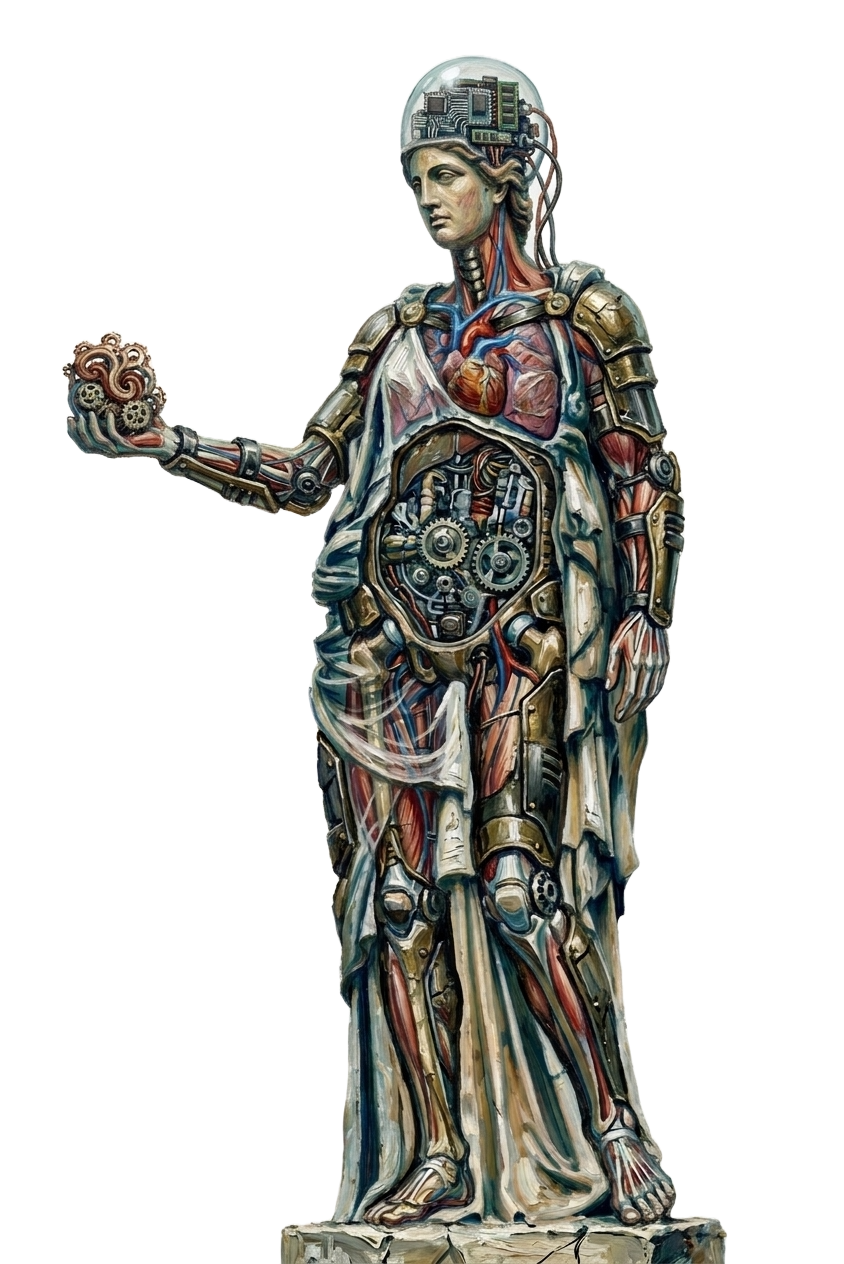
Embodiment and Intelligence
in Philosophy and Robotics
Recent breakthroughs in Artificial Intelligence have intensified debate about the role of the body in contributing to genuine intelligence. Although contemporary AI systems achieve impressive cognitive feats, philosophers and engineers argue that the kind of intelligence possessed by humans and other animals requires embodied interaction with the physical world. However, it’s unclear what kind of embodiment is essential to intelligence.
The conference aims to develop a clearer understanding of what it is to be embodied and how this relates to intelligence, by bringing together philosophers working on embodiment and artificial intelligence with researchers in robotics at the forefront of developing potentially intelligent embodied machines.
Key questions include:
How should embodiment of mind be understood?
What is the link between embodiment and intelligence?
What role do philosophical concepts of embodiment play in engineering practice?
Does embodiment require only perception and action, or life-like features such as homeostasis, vulnerability, or mortality?
Is a virtual body sufficient for embodiment or is a real body in the world required?
How do body morphology, material properties, and sensorimotor capacities shape intelligence?
What are the implications of the links between embodiment and intelligence for the development of artificial intelligence?